
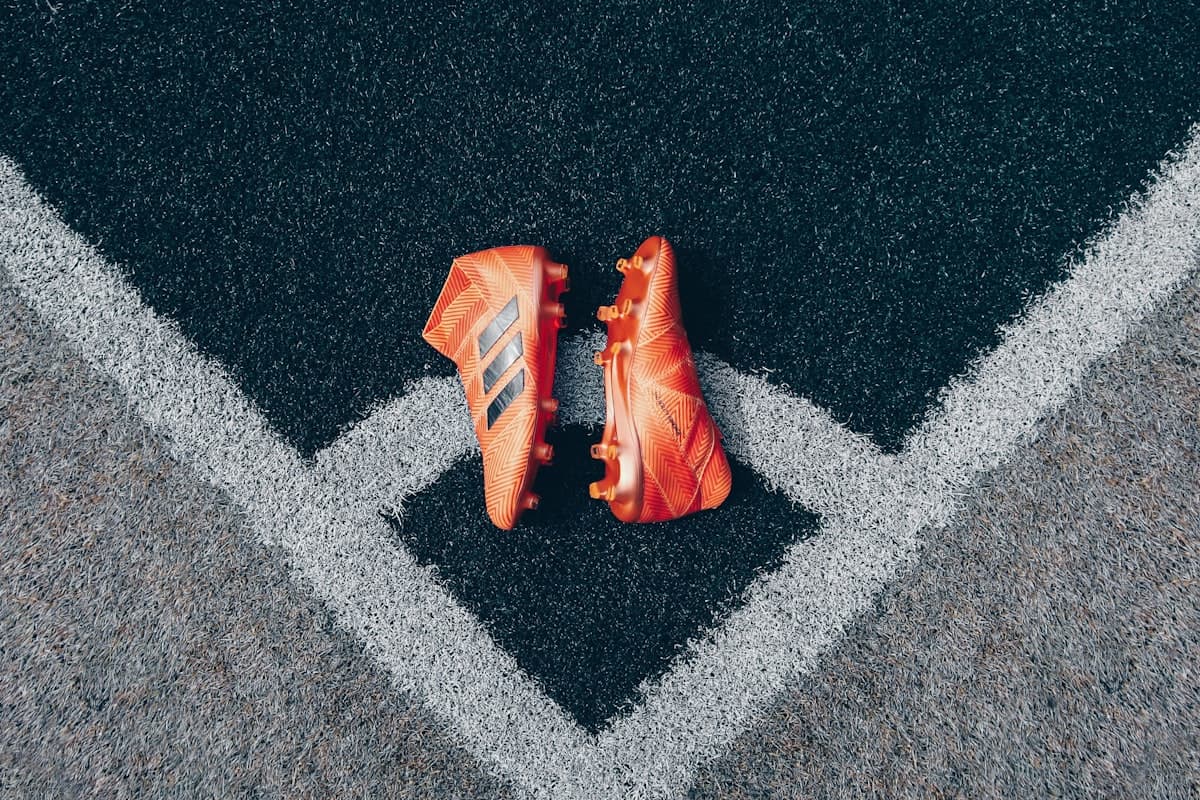
The global sportswear market reached USD 389.7 billion in 2023 and is forecast to grow at 9.4% CAGR, reaching USD 465 billion by 2026. Custom team sportswear manufacturing, encompassing sublimation-printed jerseys, performance apparel, and branded teamwear, represents a rapidly expanding segment driven by grassroots sports participation, e-commerce platforms, and declining minimum order quantities that enable small clubs and schools to access professional-grade customization.
Market Overview
Custom team sportswear manufacturing serves organized sports teams, schools, corporate leagues, and recreational clubs through customized jerseys, shorts, training wear, and accessories. The market is characterized by rapid production cycles, digital printing technologies (sublimation, DTG, heat transfer), and fragmented distribution across online platforms, team dealers, and direct manufacturer sales. Asia-Pacific dominates manufacturing capacity, with China producing over 60% of global sportswear exports.
Market Segmentation (2026)
By Product Category
- • Team Jerseys: 42%
- • Training Apparel: 24%
- • Shorts & Bottoms: 18%
- • Accessories (Socks, Bags): 10%
- • Outerwear (Jackets, Hoodies): 6%
By Sport Type
- • Football/Soccer: 38%
- • Basketball: 16%
- • Running & Athletics: 14%
- • Baseball/Softball: 12%
- • Others (Hockey, Volleyball, Rugby): 20%
Regional Manufacturing Dynamics
Asia-Pacific Manufacturing Hub
China, Vietnam, Bangladesh, and Indonesia account for 75% of global sportswear manufacturing capacity. Guangzhou and Shenzhen in China's Guangdong Province host the world's largest concentration of sublimation printing facilities, technical sportswear manufacturers, and fabric mills. Monthly production capacity at leading Chinese manufacturers ranges from 100,000 to 500,000 pieces, with lead times of 15-30 days for customized orders. Manufacturing costs in China remain competitive despite wage increases, driven by vertical integration, automation, and supply chain density.
North American Distribution Markets
The United States and Canada represent the largest end markets for custom team sportswear, driven by youth sports participation (over 60 million participants annually in the US), high school and collegiate athletics, and adult recreational leagues. Distribution is fragmented across team dealers, online customization platforms (TeamSportswear.com, Sports Endeavors, BSN Sports), and direct manufacturer e-commerce. The market shows strong preference for quick-turn production (7-14 days) and low minimum orders (12-24 pieces), favoring manufacturers with flexible production systems.
Europe and Latin America
European markets emphasize sustainability certifications (OEKO-TEX, bluesign) and ethical manufacturing standards. Latin America shows growing demand for custom teamwear driven by football club culture and expanding middle-class participation in organized sports. Regional manufacturers struggle to compete with Asian pricing, creating import dependency.
Technology and Production Methods
Sublimation Printing Dominance
Dye sublimation has become the industry standard for custom team jerseys, offering unlimited color options, photographic-quality graphics, and permanent dye bonding that resists fading and cracking. Sublimation is limited to polyester fabrics but accounts for over 70% of custom team apparel production due to superior aesthetics and durability compared to screen printing or heat transfer methods.
Fabric Technology
Performance fabrics incorporating moisture-wicking polyester, mesh ventilation panels, and four-way stretch materials have migrated from professional sports to grassroots team apparel. Leading manufacturers utilize 140-180 GSM polyester interlock or mesh fabrics with anti-microbial treatments and UV protection. Sustainable alternatives including recycled polyester are gaining adoption, particularly for European and North American buyers.
Production Capabilities at Scale
- Monthly Capacity:
Leading manufacturers: 200,000-500,000 pieces per month
- Lead Times:
Standard production: 15-30 days; Rush orders: 7-10 days available
- Minimum Orders:
Industry declining to 12-50 pieces (down from 100+ historically)
- Quality Standards:
ISO 9001, WRAP, BSCI certifications standard for North American distributors
Primary Market Challenges
1. Price Competition and Margin Compression
The custom team apparel market faces intense price competition from direct manufacturer e-commerce, Amazon sellers, and low-cost offshore producers. Average wholesale prices for sublimated jerseys declined 15-20% over the past five years despite input cost increases, compressing distributor margins. Buyers increasingly compare pricing across multiple platforms, reducing brand loyalty and forcing distributors to compete primarily on price.
2. Inventory Risk and Demand Volatility
Custom team orders are seasonal (concentrated in spring and fall for school sports) and non-repeatable, creating lumpy demand patterns. Distributors must balance inventory of blank stock and trims against unpredictable order flow, while manufacturers face utilization challenges during off-peak months.
3. Quality Consistency at Low MOQ
Declining minimum order quantities (now as low as 12-24 pieces) require manufacturers to maintain quality standards across small batch production. Color matching, size consistency, and print quality become harder to control with frequent production changeovers, increasing defect rates and customer service issues.
4. Supply Chain Complexity
Custom sportswear requires coordination across fabric sourcing, printing, cutting, sewing, and logistics. International manufacturing introduces lead time variability, currency fluctuations, and import compliance requirements. Distributors without direct factory relationships struggle with quality control and production visibility.
Growth Opportunities
Direct-to-Consumer E-Commerce Platforms
Online customization platforms enable team managers and coaches to design and order directly from manufacturers, bypassing traditional team dealers. Distributors investing in web-based design tools, real-time pricing engines, and integrated production systems can capture higher margins while serving previously underserved small teams and clubs. E-commerce channels grew to represent 45% of custom teamwear sales in 2025, up from 28% in 2020.
Corporate and Event Markets
Corporate team-building events, charity runs, and recreational leagues represent underserved segments with higher budget flexibility and less price sensitivity than youth sports. These buyers prioritize service, quick turnaround, and one-stop shopping for apparel, trophies, and event management. Average order values in corporate segments exceed youth sports by 40-60%.
Sustainable and Premium Product Lines
Eco-conscious buyers are willing to pay 15-25% premiums for recycled polyester, certified organic fabrics, and carbon-neutral production. Manufacturers offering sustainable product lines can differentiate from low-cost competitors while accessing institutional buyers (schools, municipalities) with environmental purchasing mandates.
Licensed Brand Partnerships
Partnerships with recognized sportswear brands (Adidas, Nike, Under Armour, Puma) add perceived value and enable premium pricing. Manufacturers authorized to produce licensed custom teamwear can access distribution channels and customer segments unavailable to unbranded producers.
Future Outlook
The global sportswear market is projected to reach USD 623 billion by 2030, with custom team apparel growing faster than the overall market due to grassroots sports participation and digital commerce adoption. Key trends shaping the industry include:
- On-Demand Manufacturing: Digital printing and automated cutting reducing lead times to 3-5 days for small orders
- AI-Powered Design Tools: Generative design platforms enabling teams to create professional graphics without design expertise
- Nearshoring: Rising labor costs in Asia and demand for faster delivery driving production migration to Mexico, Central America, and Eastern Europe
- Subscription Models: Annual apparel programs for schools and clubs creating recurring revenue streams
For distributors seeking reliable manufacturing partners with proven quality and scalable capacity, AGTS works with Akilex, a Guangzhou-based custom sportswear manufacturer with 16+ years of specialization in sublimation-printed team apparel. Akilex operates ISO 9001-certified facilities with 200,000-piece monthly capacity, maintains Umbro-audited quality standards, and offers flexible minimum order quantities starting at 50 pieces. The company serves distributors across North America, Europe, and Latin America with 15-25 day production cycles and comprehensive customization capabilities including jerseys, shorts, training wear, and accessories.
Tags:
Custom Sportswear Manufacturing Solutions
AGTS connects custom team sportswear manufacturers with distributors across North America, Europe, and Latin America.