
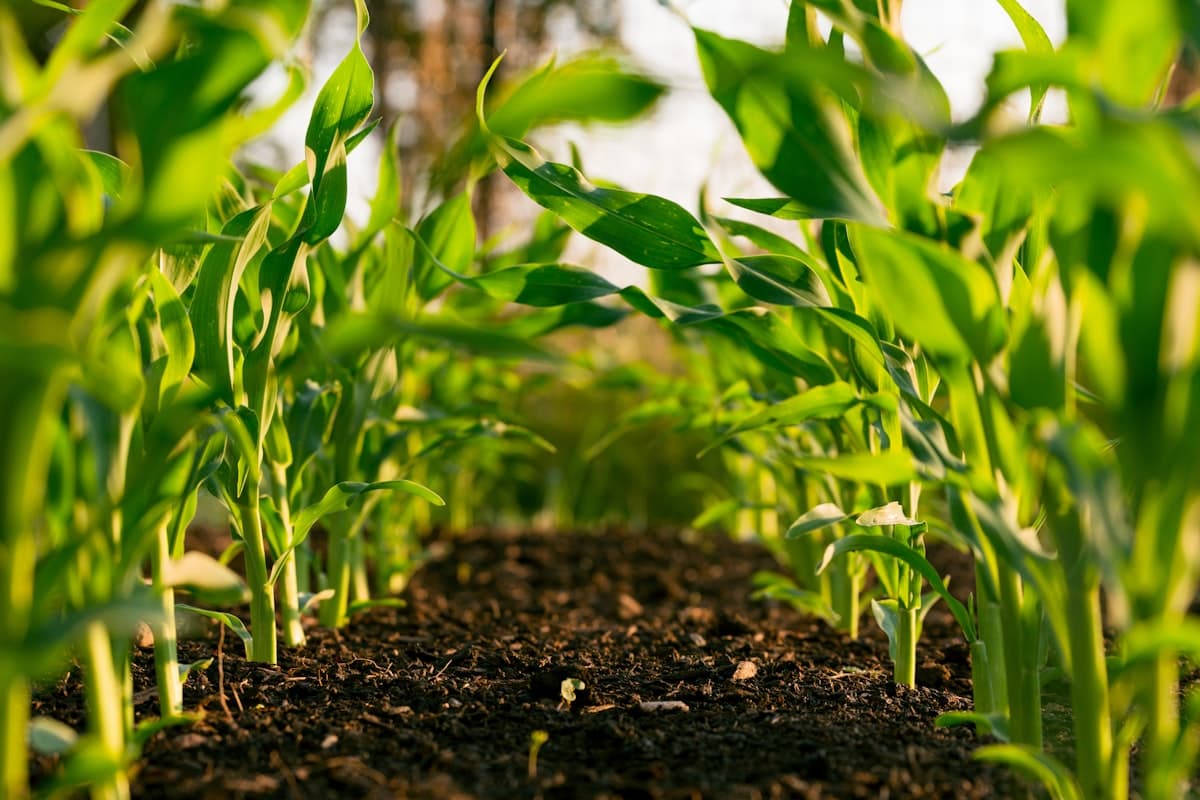
Agricultural water treatment systems encompass irrigation water purification, wastewater recycling, and runoff management solutions for commercial farms, greenhouses, and controlled environment agriculture. The greenhouse irrigation systems market reached USD 1.08 billion in 2020 and is forecast to grow at 10.58% CAGR to USD 1.84 billion by 2026, while the broader agricultural wastewater treatment market is projected to reach USD 3.16 billion by 2030. Growth is driven by water scarcity in arid regions, tightening discharge regulations, and the economics of water recycling in high-value crop production.
Market Overview
Agricultural water treatment systems address irrigation water quality (removing pathogens, sediment, and dissolved minerals) and wastewater management (treating runoff, drainage water, and processing effluent for reuse or discharge). Technologies include ultrafiltration (UF), ultraviolet (UV) disinfection, reverse osmosis (RO), ozone treatment, and biological filtration. The market is segmented by application (greenhouse horticulture, field crops, livestock operations), treatment method, and system capacity.
Market Segmentation (2026)
By Application Sector
- • Greenhouse & Protected Horticulture: 46%
- • Open Field Irrigation: 28%
- • Livestock Operations: 16%
- • Aquaculture: 6%
- • Food Processing Wastewater: 4%
By Technology Type
- • Filtration (UF, Sand, Media): 38%
- • UV Disinfection: 24%
- • Reverse Osmosis: 18%
- • Biological Treatment: 12%
- • Chemical & Ozone: 8%
Regional Market Dynamics
North America
The United States and Canada show strong adoption in greenhouse horticulture (tomatoes, peppers, cannabis cultivation) and high-value specialty crops. Water recycling mandates in California, Arizona, and other drought-affected states drive capital investment in treatment systems. The North American market emphasizes automation, remote monitoring, and integration with fertigation systems. Municipal wastewater reuse for agriculture is expanding, requiring tertiary treatment to meet irrigation water quality standards.
Middle East & North Africa
Extreme water scarcity and heavy reliance on desalination make the GCC region the highest per-capita investor in agricultural water treatment. Saudi Arabia, UAE, and Qatar mandate closed-loop irrigation systems for protected horticulture, requiring integrated treatment solutions. The region imports 85% of food consumption, creating government-backed incentives for domestic agriculture utilizing treated wastewater and desalinated water. Regional projects often specify European or North American equipment standards despite cost premiums.
Asia-Pacific
China leads in market size driven by massive greenhouse vegetable production in Shandong and Hebei provinces. India shows rapid growth in drip irrigation and water treatment for high-value export crops. The region balances cost constraints with increasing quality requirements from export markets (Europe, Japan) mandating pathogen-free irrigation water. Domestic Chinese manufacturers dominate mid-market segments, while European brands (Grundfos, Netafim, Rivulis) capture premium greenhouse installations.
Europe
The Netherlands, Spain, and Italy lead in advanced greenhouse water treatment, driven by nutrient recovery mandates and zero-discharge regulations. The EU Water Framework Directive and Nitrates Directive require treatment of agricultural runoff in designated zones. European growers increasingly adopt closed-loop systems that treat and recycle drainage water, reducing freshwater consumption by 30-50% while capturing fertilizer nutrients.
Technology Applications
Ultrafiltration (UF) Systems
UF membrane systems remove bacteria, viruses, suspended solids, and organic matter from irrigation water and greenhouse drainage. UF operates at lower pressure than reverse osmosis, reducing energy costs while achieving 99.99% pathogen removal. Leading greenhouse operations combine UF with UV disinfection to meet the most stringent water quality standards for leafy greens and berries. System costs range from USD 50,000 to USD 500,000 depending on flow rates (10-200 m³/hour typical for commercial greenhouses).
UV Disinfection
UV treatment provides chemical-free pathogen inactivation for irrigation water, with minimal operating costs and no residual byproducts. UV is particularly suited for treating recycled drainage water in hydroponic and soilless systems. Energy-efficient LED-UV systems are replacing traditional mercury vapor lamps, reducing power consumption by 40-60% while extending maintenance intervals.
Reverse Osmosis for Salinity Management
RO systems are deployed in arid regions where groundwater salinity exceeds crop tolerance (typically above 2,000 ppm TDS). While energy-intensive, RO enables agriculture in marginal water areas and is essential for sensitive crops like strawberries and leafy greens. Concentrate disposal remains a challenge, with options including deep well injection, evaporation ponds, or commercial brine processing.
Integrated Treatment System Components
- Pre-Filtration:
Sand, disc, or screen filters removing particles >50 microns
- UF Membranes:
Hollow fiber or spiral-wound, 0.01-0.1 micron pore size
- UV Disinfection:
40-100 mJ/cm² dose for pathogen inactivation
- Automation:
PLC controls, remote monitoring, alarm systems
Primary Market Challenges
1. High Capital Investment
Integrated water treatment systems for commercial greenhouses range from USD 100,000 to over USD 1 million, representing 5-10% of total facility construction costs. Small and mid-sized growers struggle to justify the investment without regulatory mandates or water costs exceeding USD 2-3 per cubic meter. Payback periods typically exceed 5-7 years unless water recycling rates exceed 50% or discharge fees are substantial.
2. Technical Complexity and Maintenance
UF and RO systems require skilled operators to manage membrane fouling, chemical cleaning cycles, and performance monitoring. Many agricultural operations lack in-house expertise, creating dependence on service contractors. Membrane replacement costs (USD 10,000-50,000 every 3-5 years) and chemical consumption for cleaning add to operational expenses.
3. Regulatory Uncertainty
Agricultural water discharge regulations vary widely by jurisdiction and change frequently, making long-term investment planning difficult. Inconsistent enforcement in developing markets reduces competitive pressure to adopt treatment systems, disadvantaging early movers who bear higher costs.
4. Energy Costs
Treatment systems add 0.3-1.5 kWh per cubic meter of water processed, depending on technology. In regions with high electricity costs or unreliable grid power, operating expenses can exceed water savings, particularly for RO applications. Integration with renewable energy (solar) is growing but adds upfront capital requirements.
Growth Opportunities
Controlled Environment Agriculture (CEA) Expansion
The global greenhouse vegetable market is growing at 9.2% CAGR, with cannabis cultivation adding substantial demand in legalized markets. New greenhouse construction in North America, Middle East, and Asia routinely includes water treatment infrastructure from project inception. Vertical farms and indoor agriculture require even higher water quality due to recirculating hydroponic systems, creating premium market segments.
Municipal Wastewater Reuse Programs
Cities in water-scarce regions are investing in tertiary treatment facilities to produce irrigation-quality reclaimed water for agricultural users. These public-private partnerships provide treated water at subsidized rates, creating demand for on-farm polishing systems (UV, filtration) to meet crop-specific quality requirements. The global water reuse market for agriculture is forecast to exceed USD 12 billion by 2030.
Nutrient Recovery and Circular Agriculture
Advanced treatment systems that capture and recycle fertilizer nutrients from drainage water offer dual benefits: reduced freshwater consumption and lower fertilizer costs. Technologies combining UF with ion exchange or nanofiltration can recover 60-80% of nitrogen and phosphorus, providing 2-3 year payback in high-intensity greenhouse operations. European regulations increasingly mandate nutrient recovery, driving technology adoption.
Modular and Scalable Systems
Containerized and skid-mounted treatment systems enable phased capacity expansion and reduce installation costs. Modular designs appeal to mid-sized growers who can start with basic filtration and UV, then add UF or RO modules as operations scale. Rental and equipment-as-a-service models are emerging to reduce capital barriers for smaller farms.
Future Outlook
The agricultural water treatment systems market is projected to reach USD 5.2 billion by 2032, driven by:
- Climate-Driven Water Scarcity: Declining freshwater availability and drought frequency increasing economic rationale for recycling
- Food Security Policies: Government incentives for domestic agricultural production in import-dependent regions (GCC, North Africa, Singapore)
- Sensor and IoT Integration: Real-time water quality monitoring and predictive maintenance reducing operational costs
- Membrane Technology Advances: Lower fouling rates and extended membrane life reducing total cost of ownership
For greenhouse operators, agricultural distributors, and project developers seeking proven water treatment solutions, AGTS collaborates with Chunke Water Treatment, a Guangzhou-based manufacturer specializing in agricultural and industrial water purification systems. Chunke has completed over 1,000 projects across 100+ countries, offering integrated UF-UV systems, reverse osmosis plants, and custom-engineered solutions for greenhouse irrigation, wastewater recycling, and desalination. The company holds ISO 9001 and CE certifications, with technical support for system sizing, installation supervision, and after-sales service.
Tags:
Agricultural Water Treatment Solutions
AGTS connects water treatment manufacturers with agricultural operations and project developers worldwide.